Nashville Day Tours
I’m Serious Day Tour Man AI, your day trip expert. Ask me anything — where to go, how to get there, and what’s actually worth your day.
Nashville’s day trips carry two of the South’s best ironies: the world’s best-selling whiskey is made in a county where you legally can’t buy a drink, and the world’s longest cave lies under Kentucky farmland ninety minutes north, with more than four hundred mapped miles and no end found yet.
Add a Civil War main street the preservationists saved twice, a president’s estate that now tells its whole story, and the honest note that Memphis — whatever the brochures imply — is not a day trip anyone should take as one. The city section ends on Lower Broadway, sorted with the honesty the three-for-one happy hours never volunteer.
Here’s what’s worth a day, with real times and honest trade-offs.

Popular Day Trips
Mammoth Cave
The Reservation-Only Underground, the 54-Degree Constant
Lynchburg
The Distillery Booking, the Dry-County Joke
Franklin
One Catastrophic Evening, the Unpatched Bullet Holes
Lynchburg — Jack Daniel’s and the Dry County
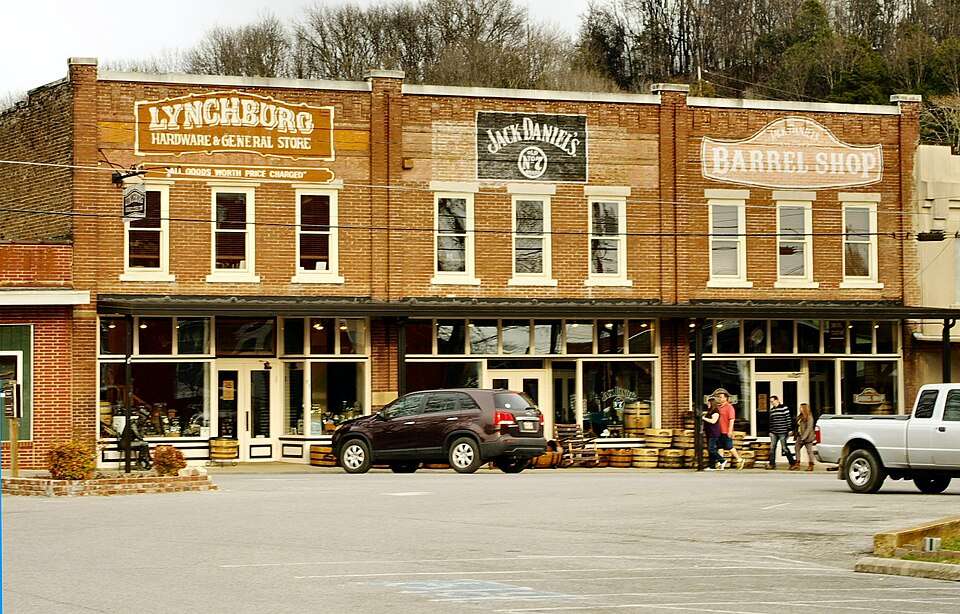
Ninety minutes southeast, the irony leads. The Jack Daniel Distillery — the best-selling American whiskey on earth — operates in Moore County, which is dry. For decades you toured the source of Tennessee whiskey and left empty-handed, and even now sales are limited to commemorative bottles at the distillery itself under a legislative carve-out the guides recount with practiced relish.
The visit sorts by tour. The basic walk covers the cave spring — the iron-free water that sited the distillery in 1866 — and the barrel houses. The tasting tours, booked ahead, add the sampling that makes the drive make sense. The charcoal-mellowing room, where new spirit drips through ten feet of sugar-maple charcoal, is the sensory memory you’ll keep.
The town: Lynchburg’s square is one block of rocking-chair commerce around a courthouse, and Miss Mary Bobo’s boarding-house lunch — family-style, hosted tables, reservation required — is the region’s best time-machine meal. Whiskey people who prefer conversation to crowds should add George Dickel at Cascade Hollow, twenty minutes away, which runs the quieter and arguably warmer tour. Full day with lunch, and the who-drives-home rule applies to anyone tasting.
Read the full Lynchburg day-trip page.
Franklin & Leiper’s Fork — The Preserved Pair
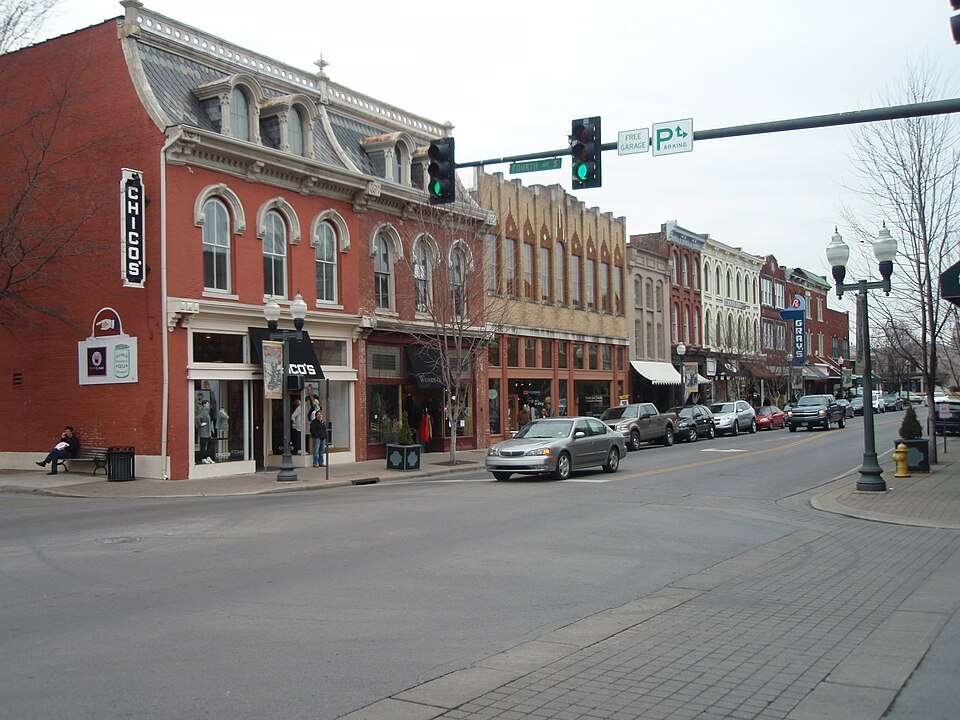
Thirty minutes south, Franklin is the South’s best-saved main street: a Victorian downtown the preservation movement rescued in the 1980s, and then rescued again from the growth the first rescue attracted.
A block off the boutiques, the register shifts. The Battle of Franklin — November 30, 1864 — was among the war’s most terrible hours: five hours of frontal assault that broke the Army of Tennessee. The telling has matured into some of the country’s best Civil War interpretation. Carnton, the plantation house whose floors still carry the surgeons’ stains, holds nearly 1,500 Confederate dead in its McGavock Cemetery; Carter House marks where the fighting reached the family’s own porch. Both now restore the enslaved community’s experience to the story. Take the guided tours — the docents carry the weight properly — and pair the visit with nothing cheerful.
Then the exhale: Leiper’s Fork, fifteen minutes on, a village of a few hundred where the general store hosts songwriter nights, the galleries out-price the real estate, and the celebrity-resident folklore is both true and beside the point. Puckett’s Grocery’s live-music meals bridge both towns. Together they make the best history-plus-charm day in middle Tennessee.
Read the full Franklin day-trip page.
Mammoth Cave — The Longest Cave on Earth
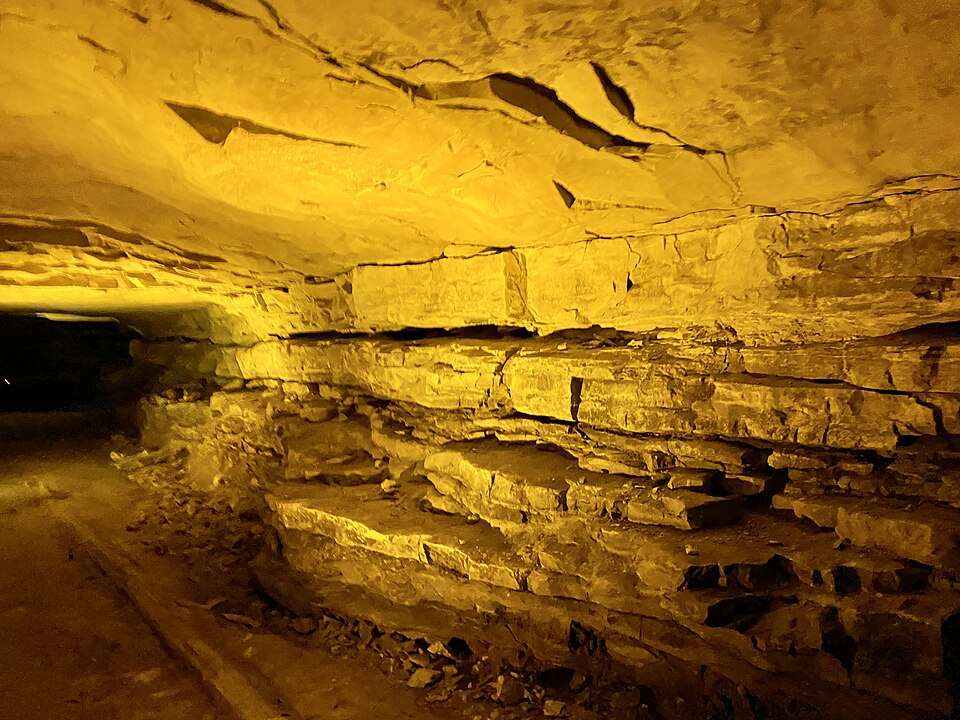
Ninety minutes north into Kentucky, Mammoth Cave National Park holds a superlative that needs no inflation: more than 400 mapped miles, the longest known cave system on the planet, with survey teams still extending it.
The planning rule: the cave is visitable only by ranger-led tour, tours sell out, and reservations open up to six months ahead on the federal booking site. The sorting matters. The Historic Tour — two hours, the saltpeter works and the famous chambers, with hundreds of genuine stairs — is the right first visit. Domes and Dripstones covers the decorated formations the Historic route lacks (arrive a full hour early; it buses to a different entrance). The Grand Avenue Tour runs four hours and 1,521 mandatory stairs for the committed, and the accessible and lantern-light options serve their audiences well.
The conditions: the cave holds 54 degrees year-round, so the jacket is equipment in July. The published stair counts are real — Fat Man’s Misery is named honestly. The surface park’s riverside trails, ferry, and sinkhole country fill the hours between tour slots, and the bio-mat walk-off at the exit protects the bats from white-nose syndrome; comply cheerfully. A full day with the drive, and the best natural wonder per mile from Nashville.
Read the full Mammoth Cave day-trip page.
The Hermitage — The Whole Story
Twenty-five minutes east, Andrew Jackson’s Hermitage is the seventh president’s plantation estate: the columned mansion and the formal garden where he and Rachel lie buried. What makes the visit is the evolution: the site now tells its whole story. The “In Their Footsteps” tours, the preserved cabins, and the archaeology give the 150-plus people Jackson enslaved standing alongside the presidential narrative rather than beneath it, and the Jackson story itself — the duels, the Bank War, Indian Removal and the Trail of Tears told without euphemism — makes this a full, genuinely adult history encounter rather than a house tour.
The formats: the mansion tour plus the grounds audio covers the essentials in two to three hours; wagon tours and specialty programs extend it. The verdict: it’s the strongest presidential-site visit in the South precisely because it stopped simplifying. Travelers wanting only columns and camellias will find them, and will have missed the point. Half a day.
Chattanooga — The Doable Stretch
First, the boundary line: Memphis, three-plus hours west, is not a day trip. It’s six-plus hours of interstate wrapped around a rushed Graceland. Give it an overnight or its own trip.
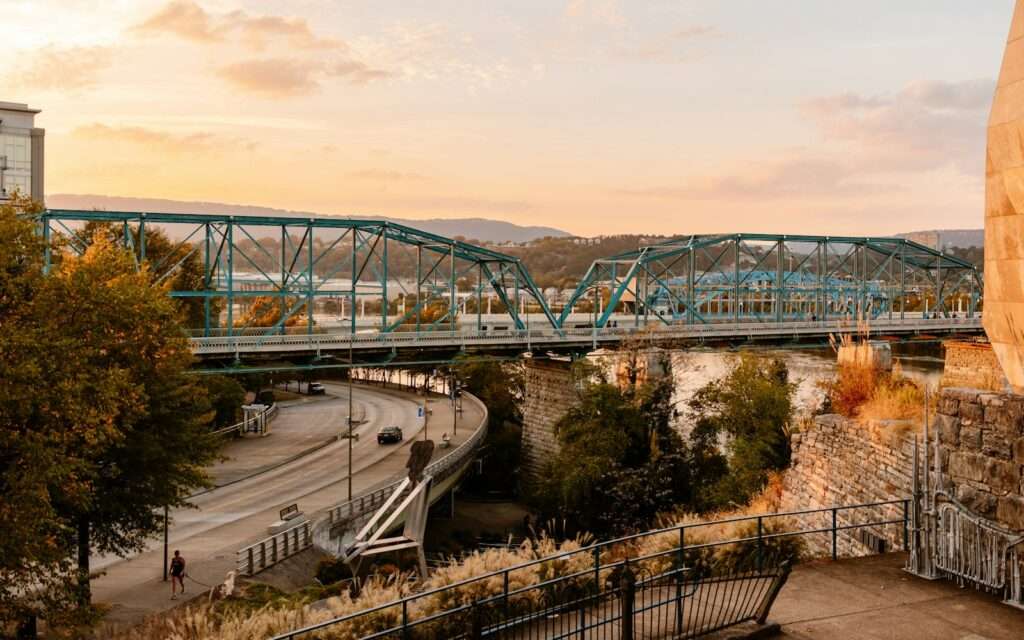
Chattanooga, two hours southeast, is the stretch that works. The Tennessee Aquarium — routinely rated the country’s best, its two buildings running river to ocean — anchors a riverfront the city rebuilt into the South’s best urban outdoor scene. Lookout Mountain stacks the altitude: Rock City’s gardens and the See Seven States overlook (the claim is optimistic; the view is real), Ruby Falls’ underground waterfall (genuinely good theater), and the Incline Railway’s absurd grade up the mountainside. The classic trio sells as a combo and sorts honestly: Rock City for families, Ruby Falls for the cave-curious, the Incline for everyone.
The Civil War layer — Point Park’s cannons over the city, Chickamauga’s vast battlefield twenty minutes south — serves the history-committed. A full day, long but coherent; aquarium plus mountain is the format.
Broadway, the Ryman & Nashville Itself
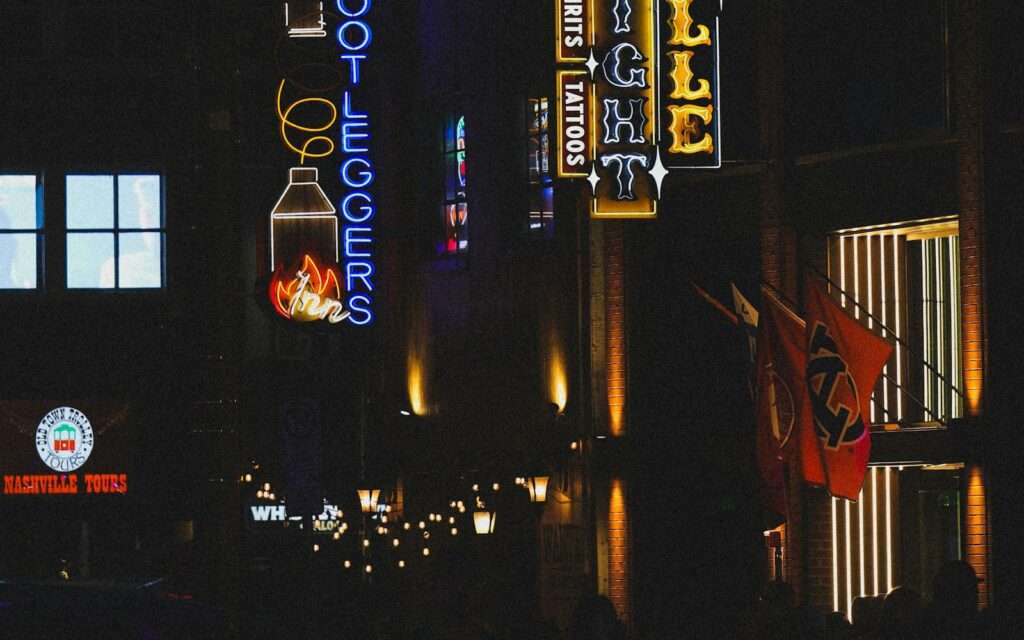
Sort the honky-tonks first. Lower Broadway is a genuine phenomenon and an honest gauntlet. The classics — Robert’s Western World for the fried-bologna-and-traditional-country communion, Tootsie’s for the Opry-alley history, Layla’s for the bluegrass lean — deliver the real thing with no cover and tip-bucket economics; feed the bucket, because the bands are working. The celebrity-branded multi-level bars run bachelorette-party logistics at stadium volume. Both are Broadway. Know which door you’re entering, and follow the rule: afternoons for the music, nights for the scene.
The Ryman is the pilgrimage. The Mother Church’s tour is worth its ticket, but a show in those pews — any show; the acoustics improve everything — is the single best thing money buys in Nashville. The Grand Ole Opry’s weekend broadcasts out at Opryland remain the living institution: the backstage tour for fans, the rotating six-act show for everyone.
The rest: the Country Music Hall of Fame for the vault, with the Hatch Show Print tour next door as the sleeper ticket; the National Museum of African American Music for the corrective breadth; and Studio B — RCA’s hit factory, where Elvis cut 200-plus sessions — for the goosebump half hour. Hot chicken comes with rules: Prince’s is the origin and the standard, the heat scale is not a dare, “medium” is most visitors’ honest ceiling, and the white bread and pickles are structural, not garnish. Arnold’s covers the meat-and-three lunch culture, and East Nashville and 12South supply the coffee-and-murals hours — the wings mural queue is the city’s gentlest tourist trap; take the photo two blocks over instead.
The season math is simple: spring and fall are the windows. Summer runs hot and humid with festival repricing — CMA Fest week follows the standing festival rule: attend deliberately or avoid. And Nashville’s best free attraction remains a songwriters’ round in a listening room — the Bluebird’s lottery, or its dozen worthy understudies — where the town’s actual industry performs its actual craft at conversational volume.
Frequently Asked Questions
Can you drink at the Jack Daniel’s distillery?
On the tasting tours, yes — book ahead — but Moore County is otherwise dry, and bottle sales are a limited on-site exception. The charcoal-mellowing room is the tour’s sensory keeper.
Do you need reservations for Mammoth Cave?
Yes — entry is by ranger-led tour only, slots sell out, and booking opens up to six months ahead on the federal reservation site. The Historic Tour is the right first visit; bring a jacket (54 degrees year-round) and take the posted stair counts seriously.
Is Memphis a day trip from Nashville?
No — three-plus hours each way makes it six hours of interstate around a rushed visit. Graceland and Beale Street need an overnight or their own trip; Chattanooga is the stretch that works.
Is the Hermitage worth visiting?
Yes — precisely because it tells the whole story now: the presidency, the enslaved community’s tours and cabins, and Indian Removal without euphemism. The strongest presidential site in the South.
Which honky-tonks should you choose on Broadway?
The classics — Robert’s, Tootsie’s, Layla’s — for real bands, no cover, and tip-bucket economics; afternoons for music, nights for the scene. The Ryman, though, is the room worth planning around.