Franklin from Nashville: One Catastrophic Evening, the Unpatched Bullet Holes, and a Cemetery in Rows
Half an hour south, one evening in November 1864 ran through two family properties at catastrophic cost — the bullet holes are unpatched, the tours tell it straight, and nearly fifteen hundred graves lie in family-tended rows.
The short version
- Franklin sits thirty-odd minutes south by interstate with thin transit per the standing honesty — the car plans the day, and the two house museums book combined tickets through the Battle of Franklin Trust at boft.org.
- The facts stated plainly: on November 30, 1864, the Army of Tennessee launched a frontal assault across two miles of open ground into fortified Federal lines at Franklin — roughly 6,000 Confederate casualties in a few hours of evening fighting, including six generals dead, in one of the war’s most concentrated catastrophes.
- The Carter House stood at the line’s center: the family sheltered in the cellar while the battle broke over their farm — the farm office and outbuildings remain among the most bullet-scarred structures surviving from the war, unpatched per the alarm, with the family’s own loss (a son, mortally wounded yards from the door) told on the tour.
- Carnton was the field hospital: the McGavock house took hundreds of wounded that night — the floor stains shown plainly on the tour — and the family’s postwar work created the McGavock Confederate Cemetery beside it: nearly 1,500 soldiers reinterred in state-ordered rows the family tended for generations.
- The tours’ register per the alarm includes the enslaved people of both properties by name and record where the record allows — their labor, their wartime choices, and their postwar paths presented as central history rather than footnote, in line with the trust’s current interpretation.
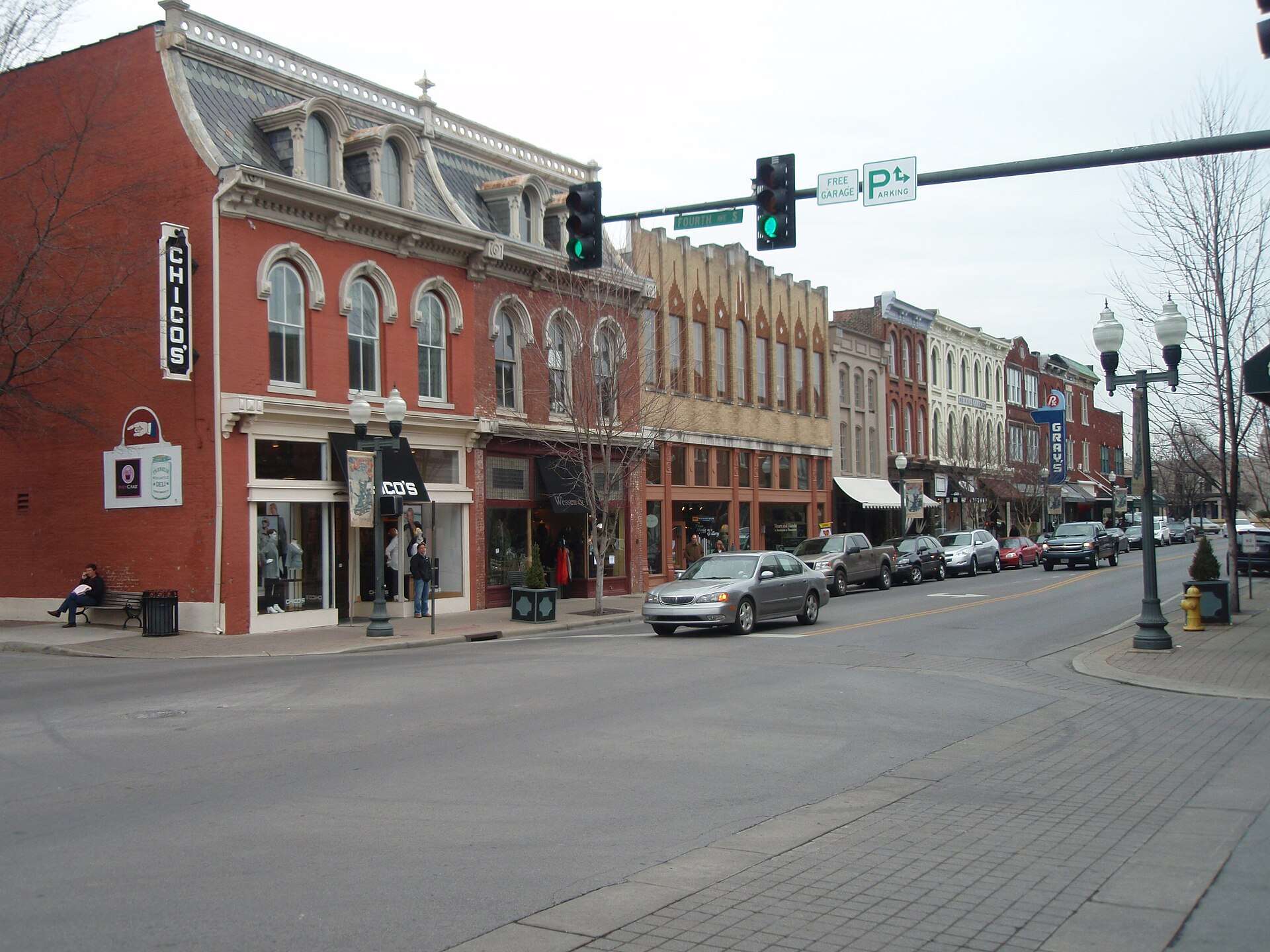
- Downtown Franklin’s Main Street — a nationally cited historic main street of brick storefronts, eating, and boutique commerce — supplies the alarm’s easier afternoon, with the November 30 anniversary illumination (a candle per casualty) as the year’s most sobering evening.

Getting there
The combined ticket per the alarm structures the morning: the two houses sit a short drive apart with timed tours that book out on weekends, and the trust’s sequencing (Carter House for the battle’s center, Carnton for its aftermath) is the order the history argues for. Downtown’s parking garages handle the afternoon. The anniversary window around November 30 brings programs, battlefield walks, and full tour calendars — booked deliberately.
The day
Carter House first: the ground orientation — the Federal line ran through the yard — then the family’s cellar hours, the farm office’s bullet-riddled boards left as the evening made them, and Tod Carter’s story ending in the house he grew up in. The guides’ straight telling per the alarm carries the enslaved household’s names and records alongside the family’s. Carnton follows as the aftermath: the surgeons’ floors, the porch where the generals’ bodies lay, the McGavocks’ decades of burial-ground stewardship — and the cemetery’s rows taken at walking silence, state by state, nearly fifteen hundred markers the alarm counted. The register through the morning is the measured one this network keeps for such ground: attention without drama. Main Street’s afternoon then does its gentler work — lunch, the brick blocks’ browsing, coffee on the square — and the contrast is the point rather than a betrayal of it. The short drive home carries the day’s weight lightly enough.
When to go
The houses tour year-round with weekend slots as the scarce tier. The November 30 anniversary brings the trust’s fullest programming — battlefield walks at the assault’s actual dusk hour, and the evening illumination’s candles — the year’s most deliberate visit. Spring and fall run the grounds and Main Street at their best; December dresses the town’s Victorian storefronts for its festival weekend at full charm. Summer works on interior-tour logic with the cemetery’s shade trees earning their age. The register holds in every season, per the alarm: the morning’s weight first, the easier afternoon after.
Frequently Asked Questions
Why was the battle so catastrophic?
A frontal assault ordered across two miles of open field into entrenched lines — no artillery preparation to speak of, evening light, and the attack pressed repeatedly at point-blank cost. Roughly 6,000 Confederate casualties in hours, six generals killed, and the Army of Tennessee wrecked weeks before its end at Nashville. The tours present the command decisions and the human arithmetic without varnish.
What will I see at the Carter House exactly?
The family home, cellar, and the farm office whose walls carry the war’s densest surviving small-arms scarring — hundreds of holes, unpatched per the alarm — plus the yard where the line broke and held. The tour runs about an hour; the son’s story lands hardest, by design of the facts rather than the telling.
How does the tour handle slavery?
Directly — both properties were worked by enslaved people, and the trust’s interpretation names them, follows their records through the war and after, and treats their history as the houses’ history. It’s the same register this network keeps at Mount Vernon and Whitney: told straight, given weight.
Is the cemetery open without a tour?
Yes — the McGavock Confederate Cemetery adjoins Carnton and walks free during grounds hours, its rows organized by state under the trees the family planted. The tour adds the reinterment story and the McGavocks’ ledger; the rows themselves ask only the quiet the alarm assigned.
Franklin or Lynchburg from Nashville?
Lynchburg (documented on this network) for the distillery day and the dry-county curiosities; Franklin for the war morning and Main Street afternoon. Opposite registers at similar distances — and the honest Nashville week separates them by at least a day, letting each keep its own weight.